SILK SCREEN PRINTING
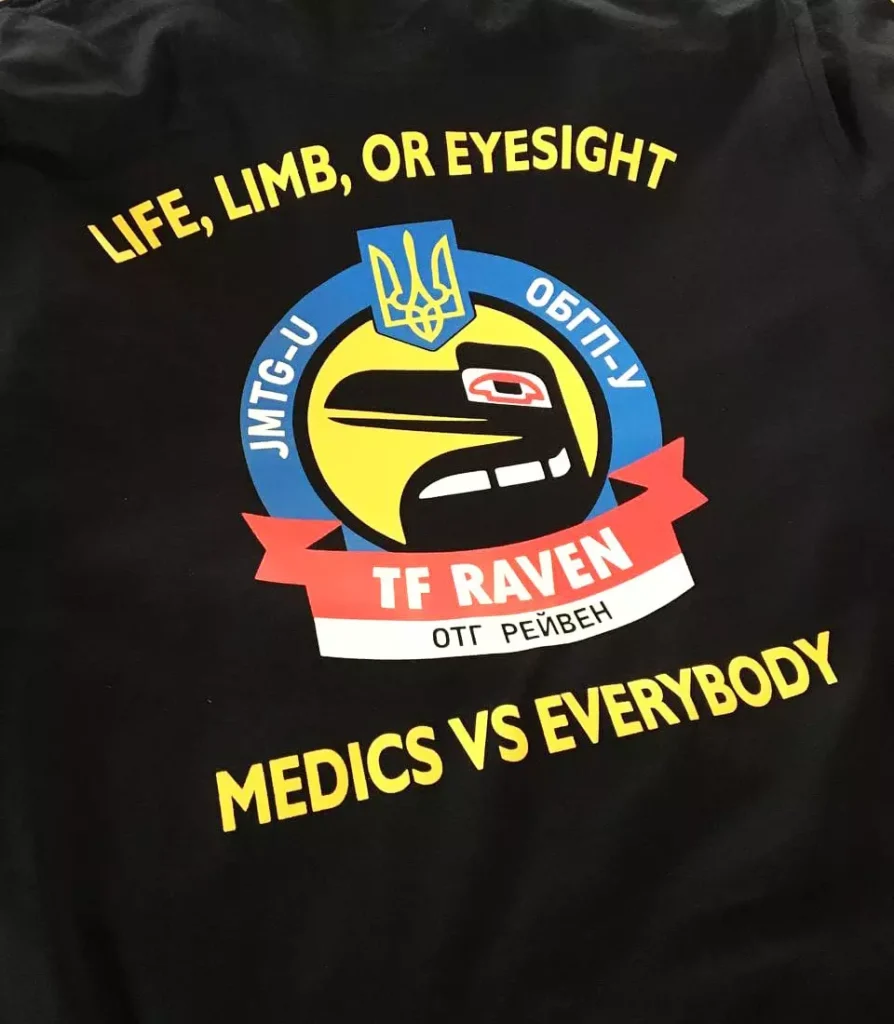
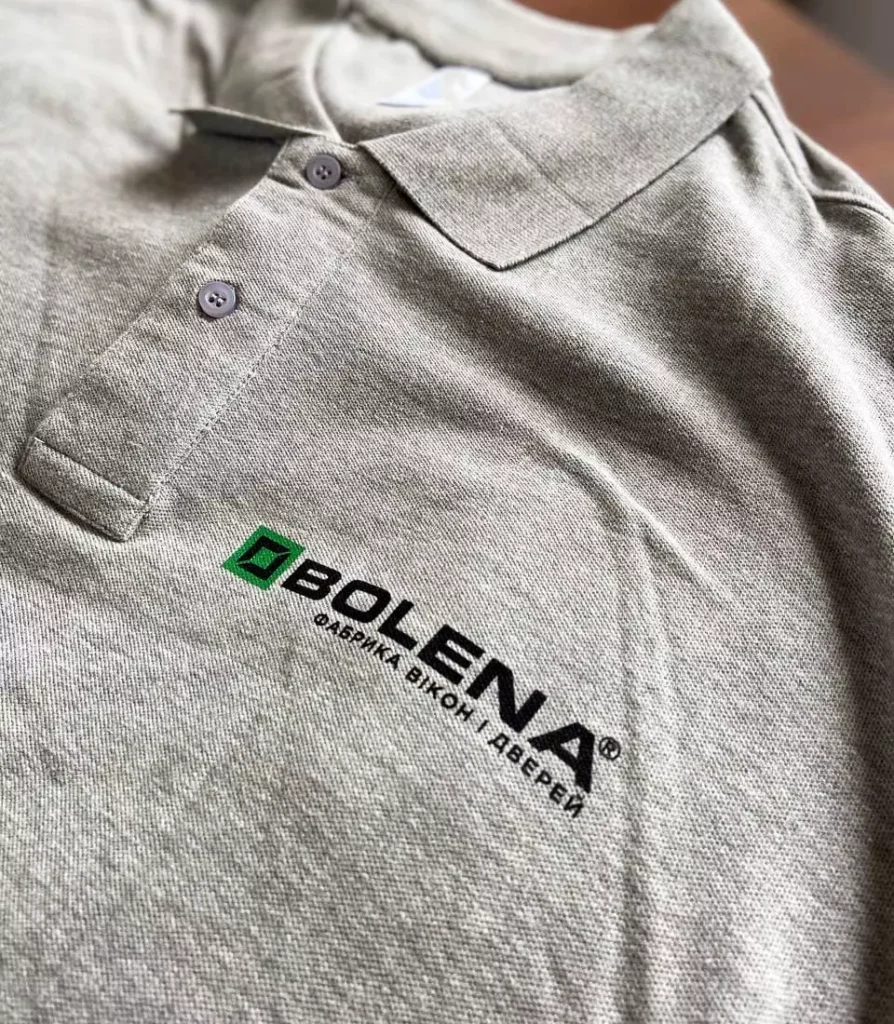
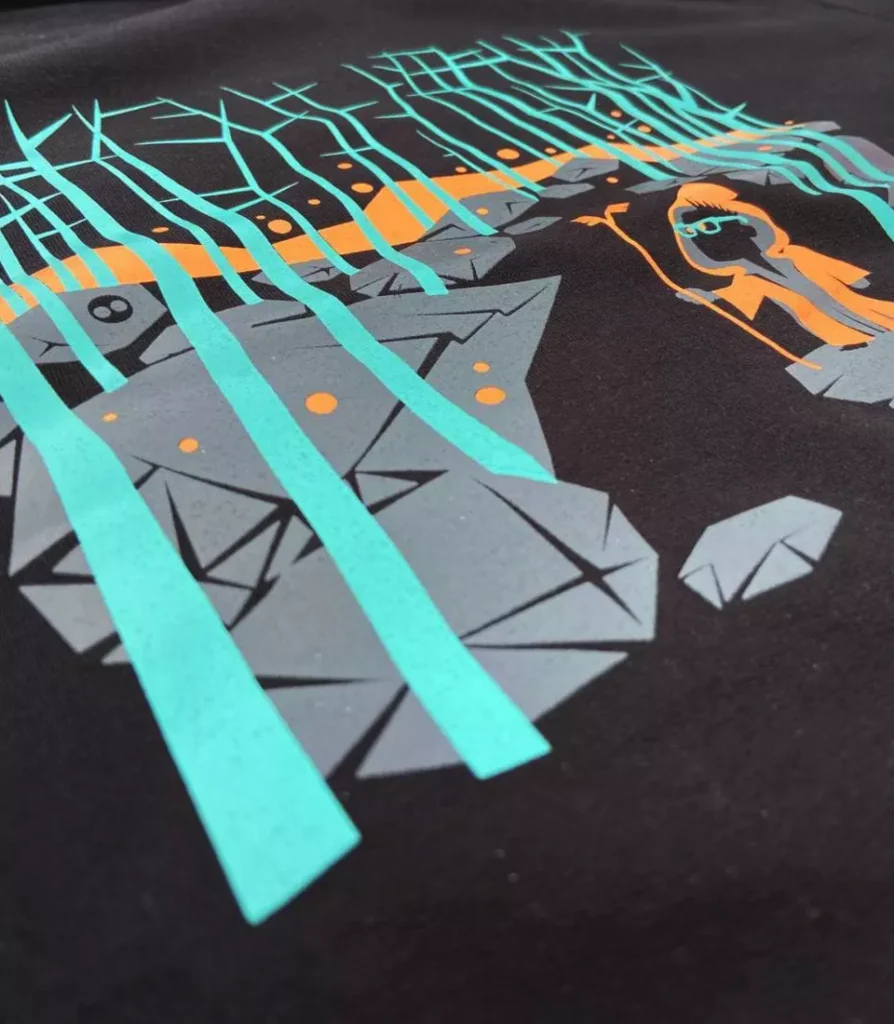
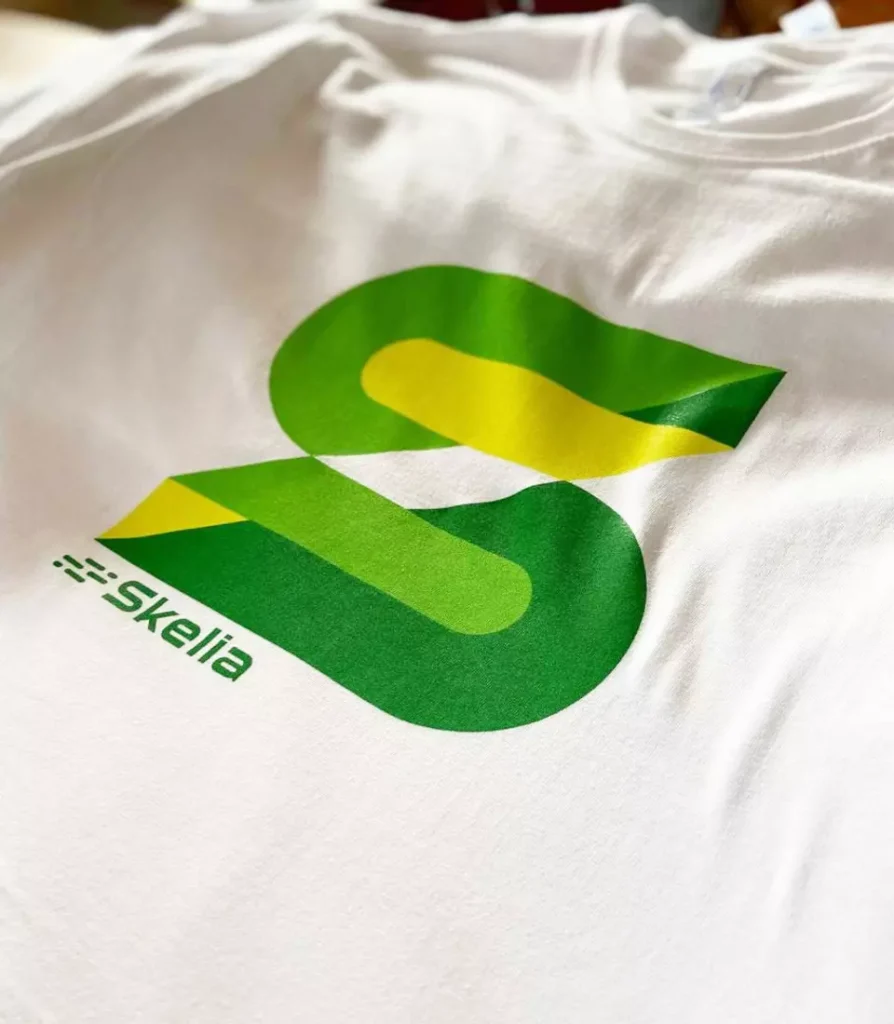
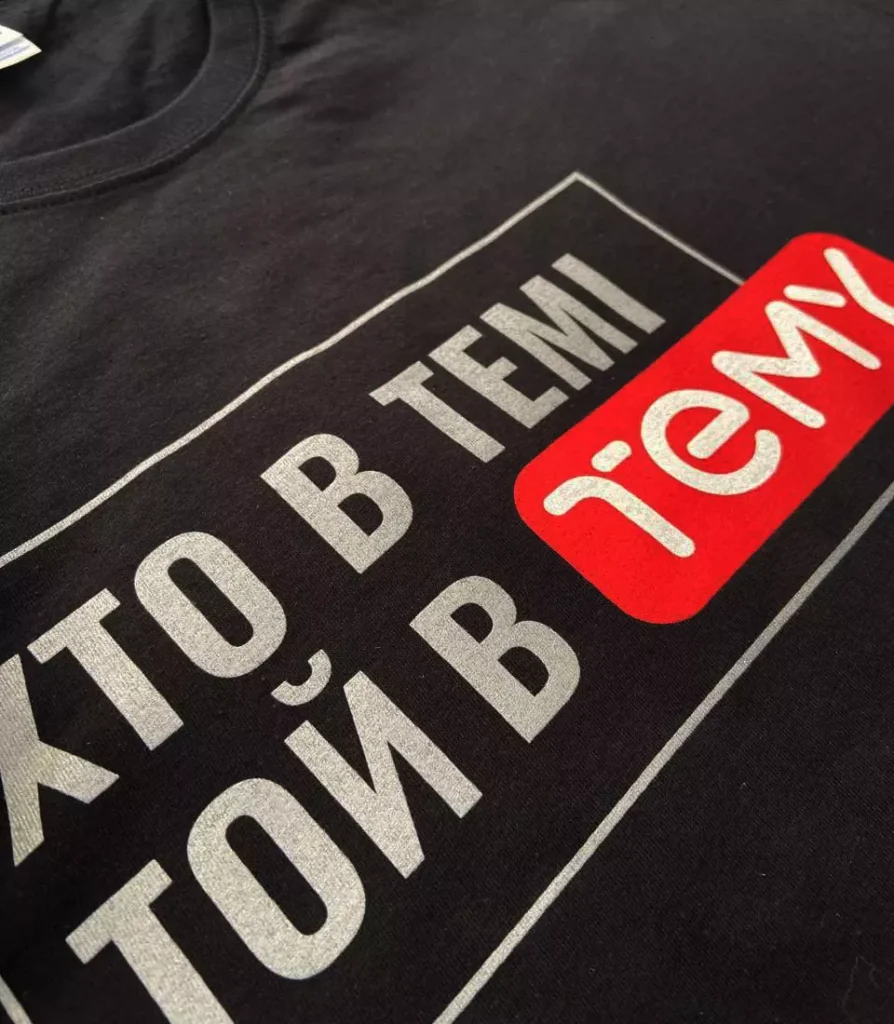
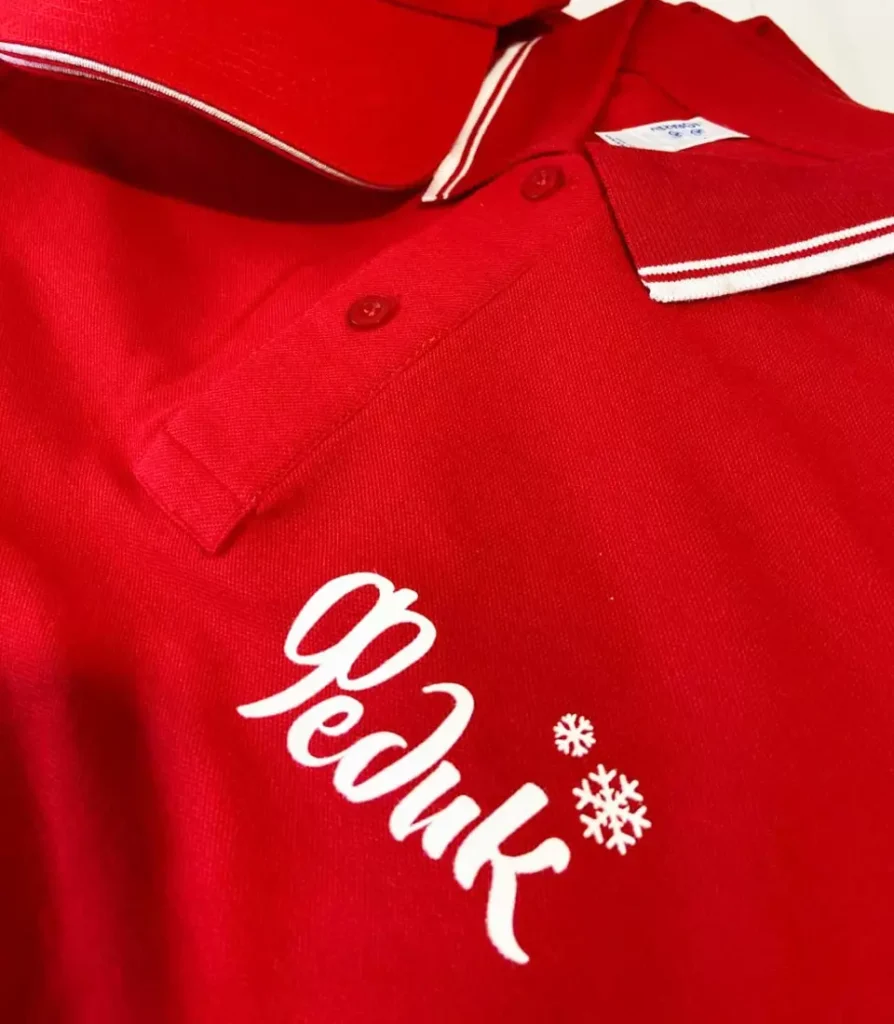
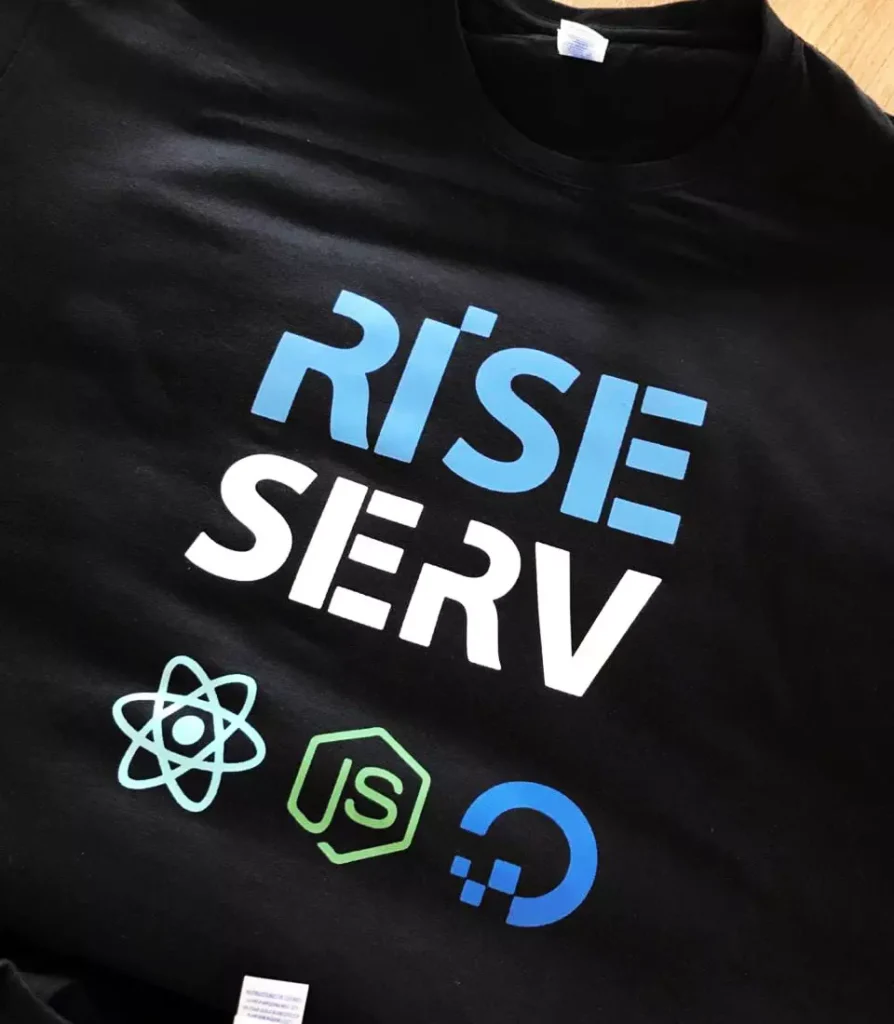
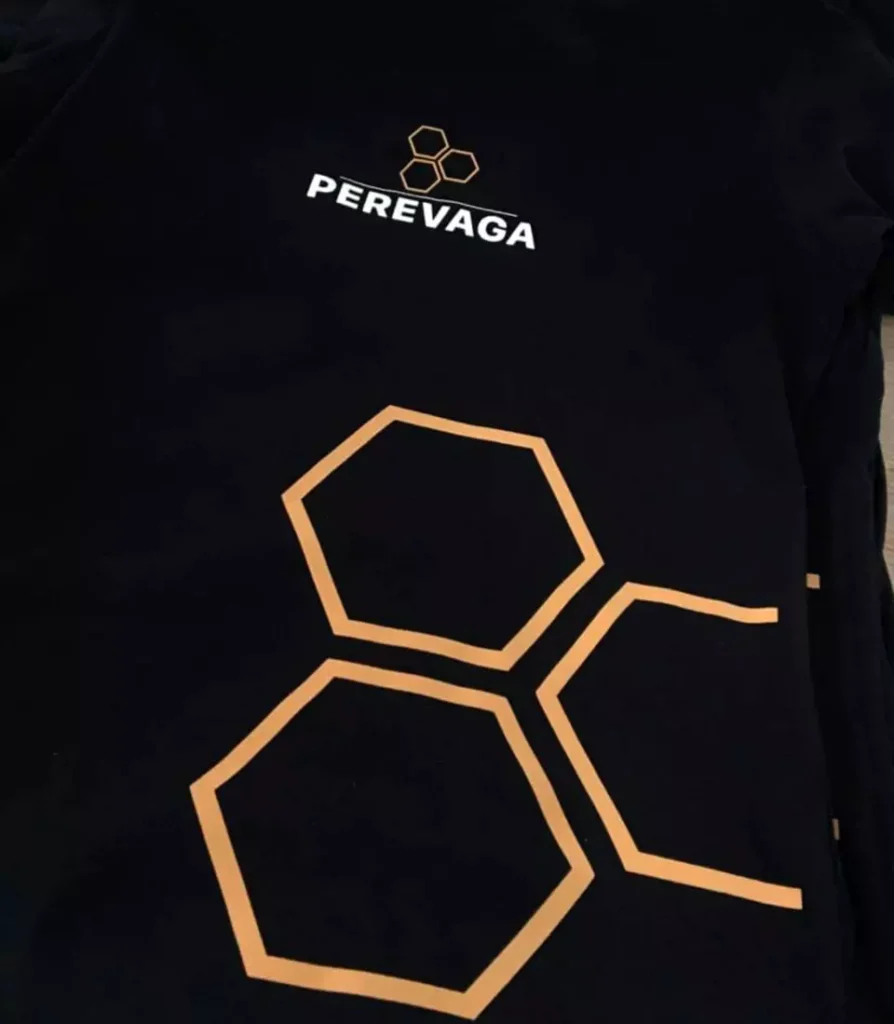
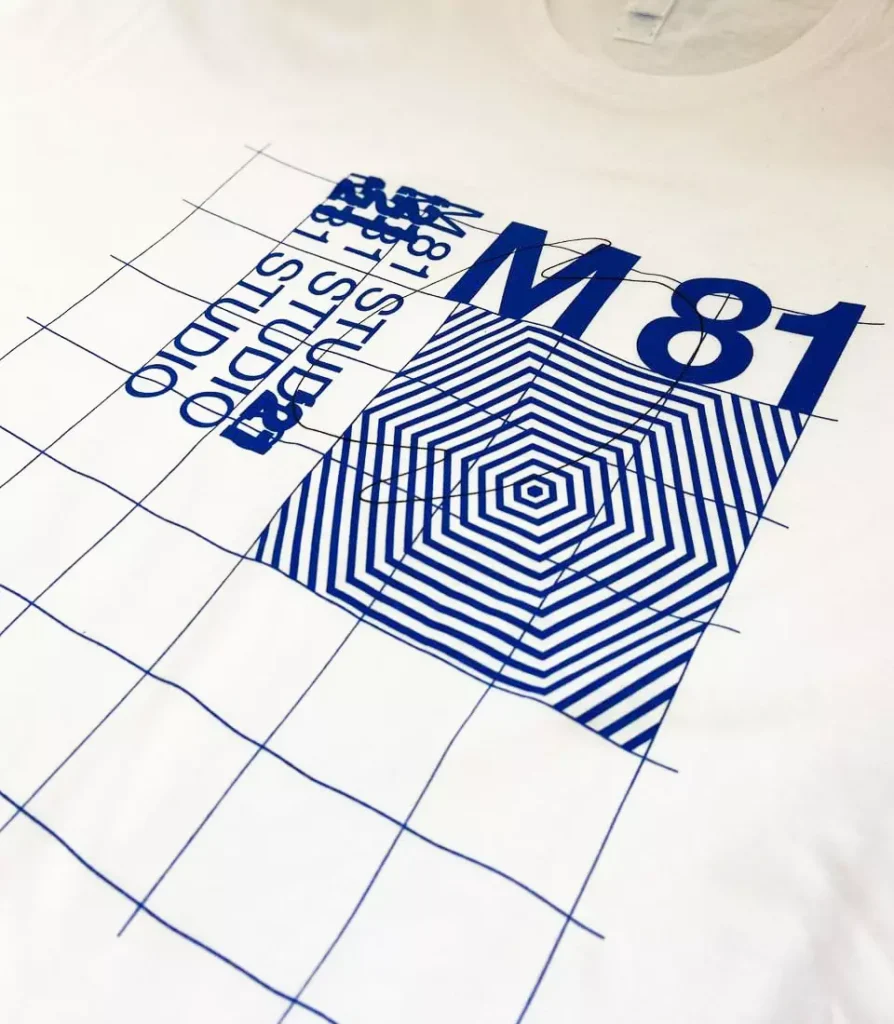
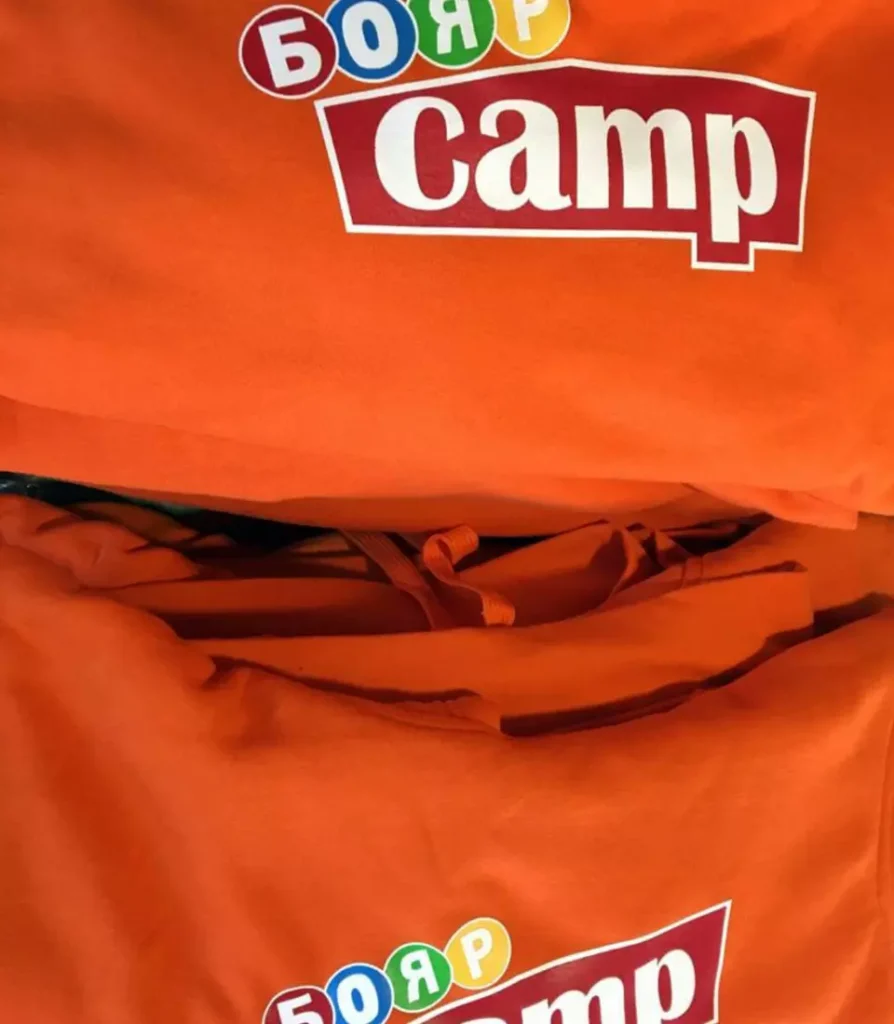
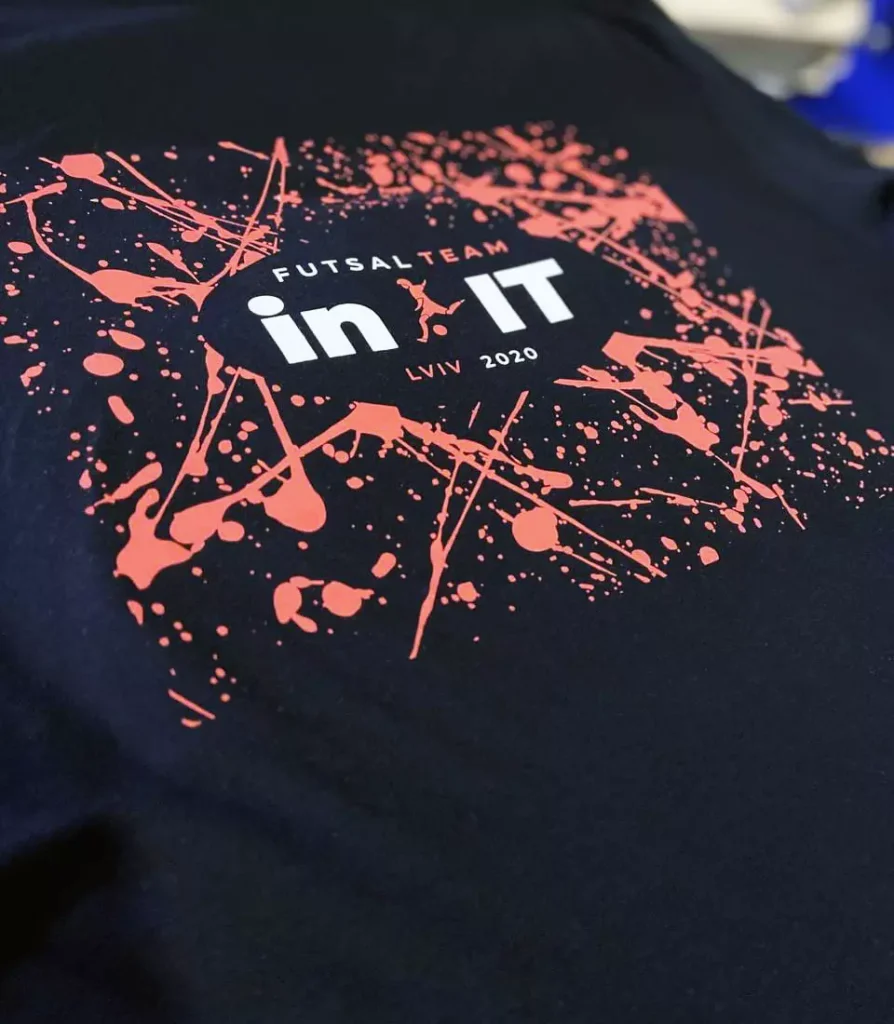
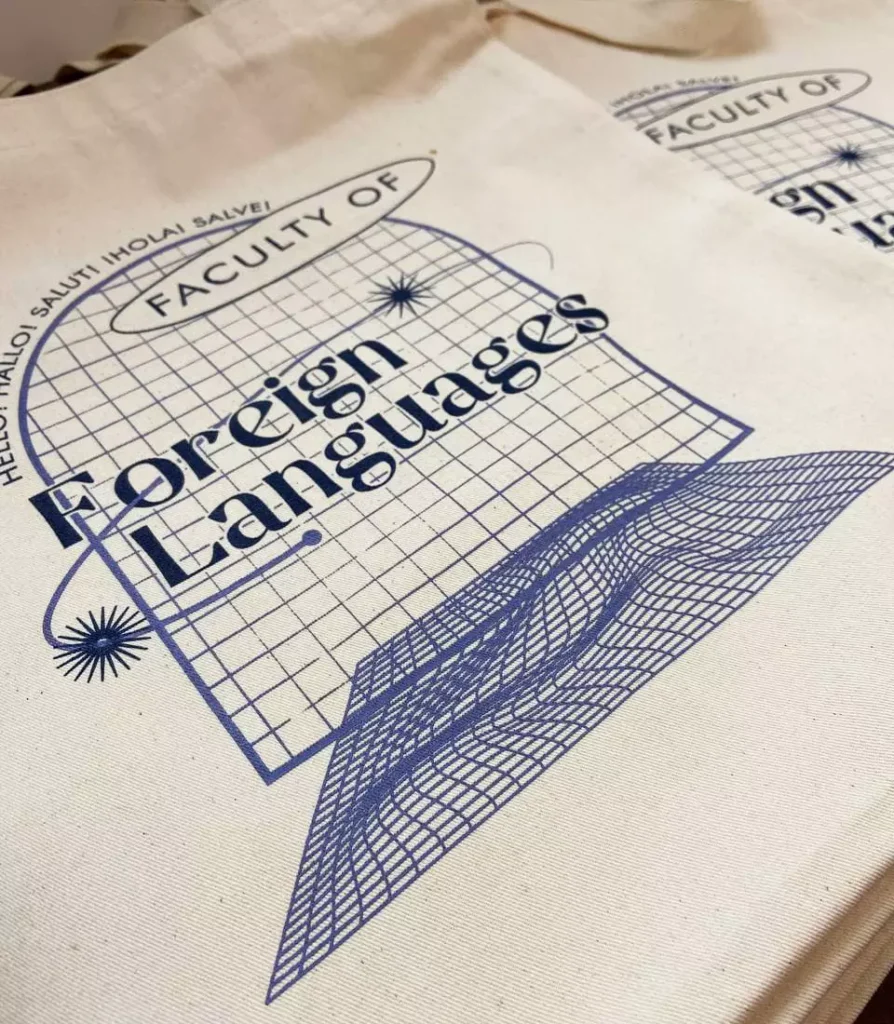

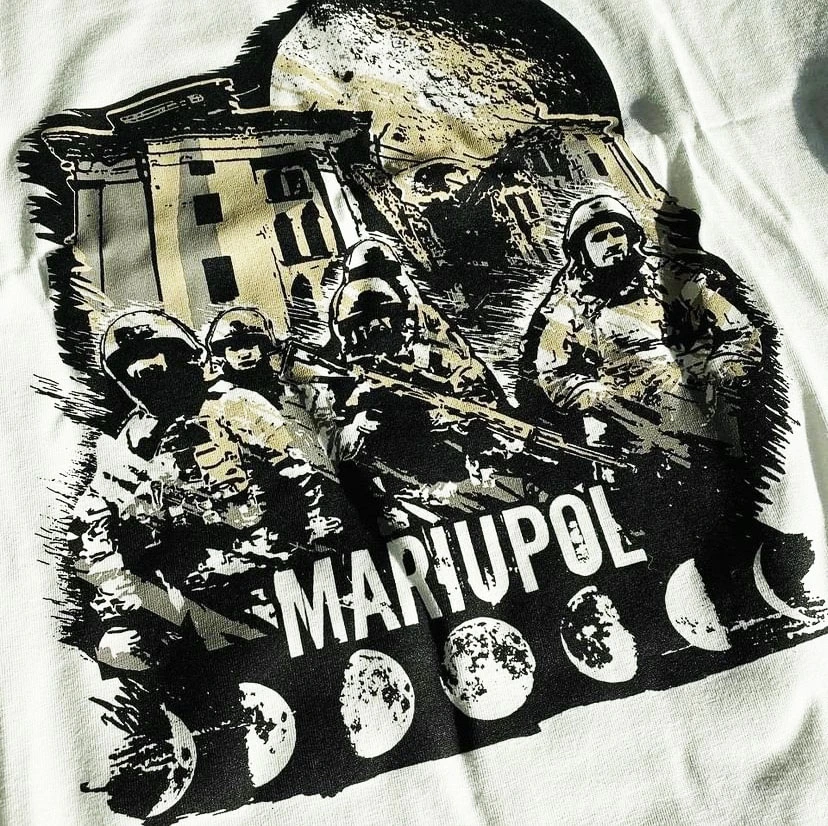

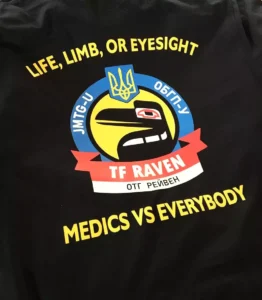
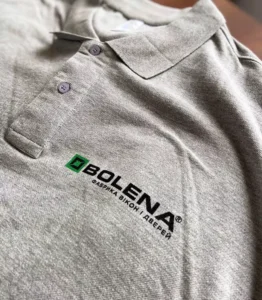
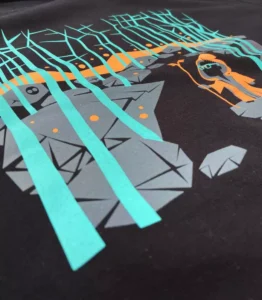
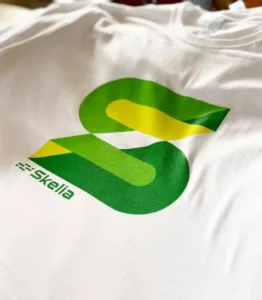
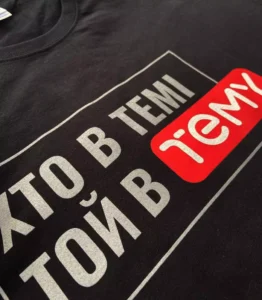
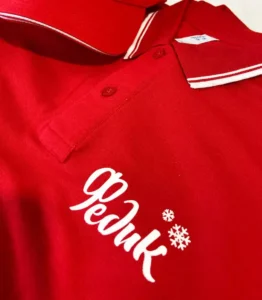
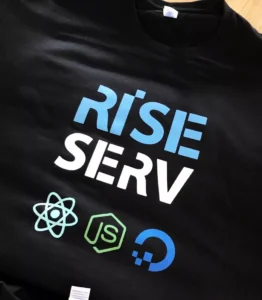
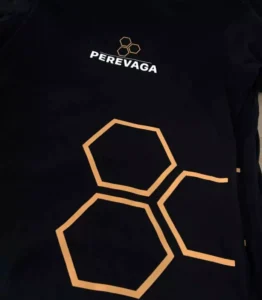
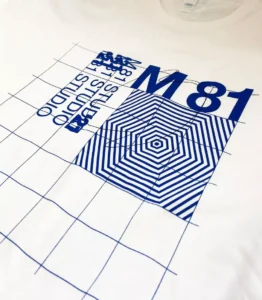

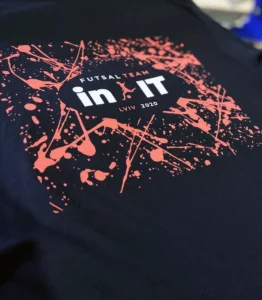
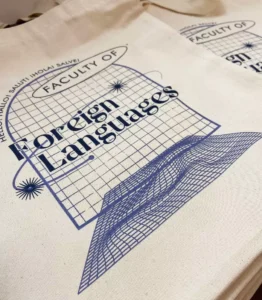
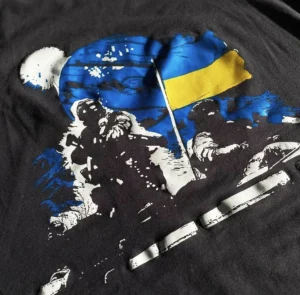
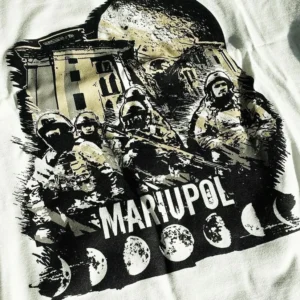

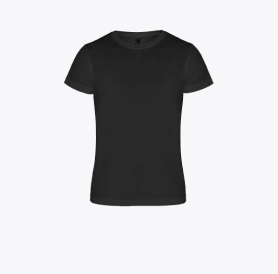
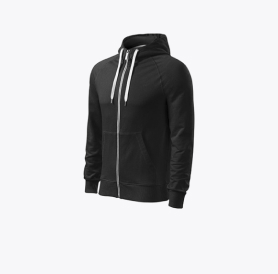
Printing on t-shirts, hoodies, sweatshirts, T-shirts by the silk screen printing method is the best choice for printing large editions for events, festivals, concerts, as well as for the production of merch.
For silk screen printing, stencil forms are used, through which the print is transferred to the fabric thanks to the pressing of the paint. The picture on the T-shirt comes out in rich colors and is very durable. This printing method is durable and wear-resistant among similar methods.
We would like to point out that silk screen printing requires a long pre-press preparation, so it is not advisable to make individual copies.
The minimum order for silk-screen printing is 10 items.
Which prints are suitable for:
- inscriptions
- logos
- symbols
- illustrations
- emblems
Guarantee: 70 washing cycles
Advantages of silk screen printing:
- Low price
- The print on the T-shirt is clear and bright
- The print on the product lasts more than 70 washes
- The paint does not harm health and is non-toxic.
What parts of clothing can be printed on:
- sleeve
- breast
- back
- on the side (if there is no seam)
- inside (indicate the size of the product)
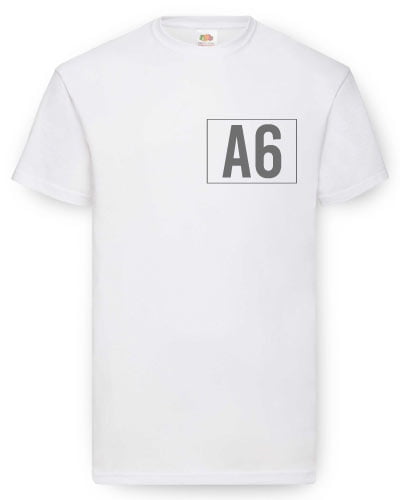
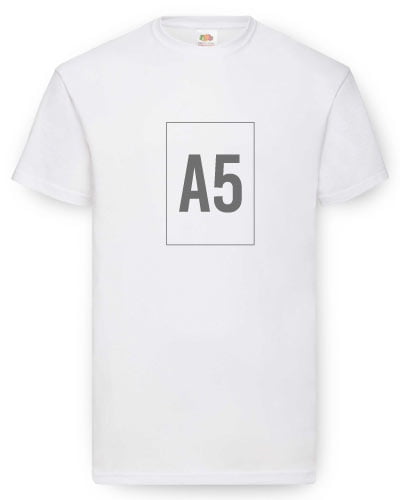
The main dimensions of application:
- А6, А5, А4, А3
- other printing size is possible at the client’s request
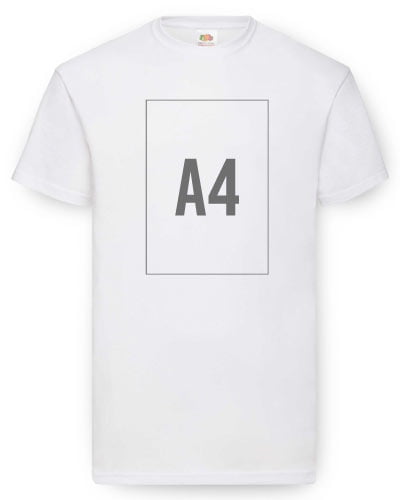
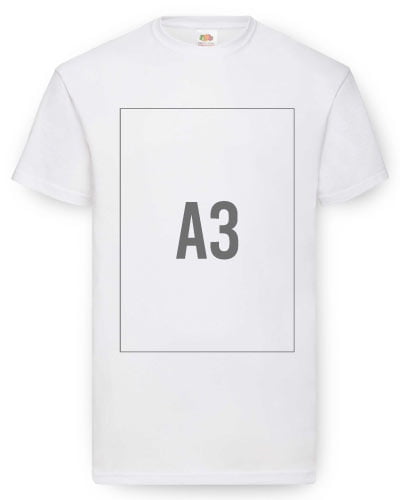
Effects that can be provided by silk screen printing:
- printing with metallic paints (gold and silver)
- printing with fluorescent colors (Pantone 801-807 C)
- printing with fluorescent inks (glows in complete darkness)
- printing with reflective paint
- CMYK ink printing allows you to achieve photographic image quality on products, minimum edition of 50 pcs.
- printing with foamed paint, which provides a 3D effect
File requirements for printing
Files are accepted in formats for vector images: PDF, EPS, CDR, AI
The size of the image in the layout should be natural (1:1). All the text in the layout should be transformed into curves or the fonts used should be added to the text. The layout must be without duplicated lines, object detailing is at least 1 mm, line thickness is at least 0.5-1 mm, the file is combined or grouped into 1 object, lines must not intersect in the layout, each color in the layout must be grouped or combined separately.
Who will be interested in a print on T-shirts?
Silk screen printing from Pakotek in Ukraine
Silk screen printing is a technique that involves applying an image to a material using a stencil fixed on a special grid. Through the holes in it, the paint gets onto the fabric and leaves a clear imprint on the material. This method allows you to quickly apply logos, emblems or illustrations without excessive costs, however, it is relevant for large and medium runs. It is in this case that this method is economically justified, taking into account the laboriousness of the process.
Silk screen printing is actively used for branding and creating advertising products. To apply the image, specialists use: – a machine and printed forms-stencils; – as well as paint and a squeegee. Print preparation begins on the computer. The designer carries out color separation of the layout, and special equipment displays films for further illumination of the printed forms. After the preparation of the latter, the specialist proceeds to illuminating the images.
Advantages of silk screen printing from Pakotek
To get high-quality branded clothes at an affordable price, use the services of a specialized company with a good reputation, contact Pakotek! We print prints, logos and emblems wholesale on ready-made clothes of European production.
In the process, we use not only a high-quality base, but also sustainable and absolutely safe paints. You will be satisfied with the result.
What is the price of our services? It varies depending on the size and color of the image, the type of clothing, the size of the batch and some other factors. To get a cost estimate, use a special form. We guarantee an individual approach.
When the stencil forms are ready, they are synchronized with each other, if necessary, paints can be mixed. Then the textile product is placed on a table with an adhesive surface. This allows you to fix the fabric well. A stencil is lowered onto it. Using a squeegee, paint is pushed through it, which is evenly distributed on the surface. After drying, the dye can be reapplied to achieve the desired brightness level. The printing process will be completed after the surface is completely dry.