
Smart clothing (E-textile)
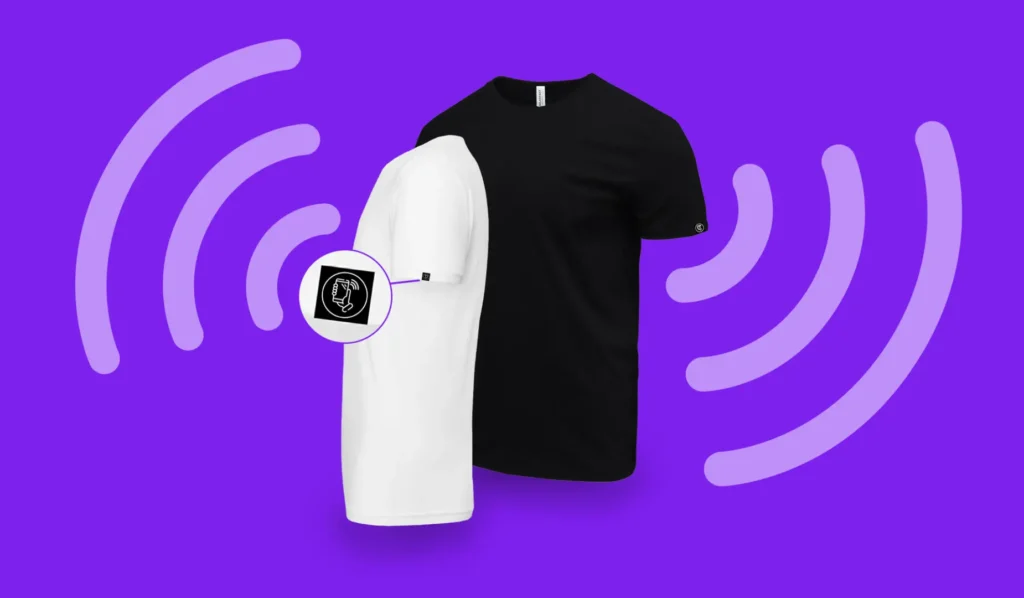
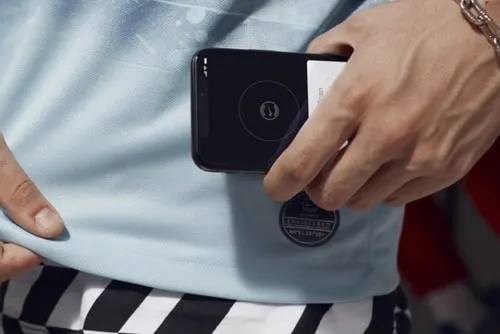
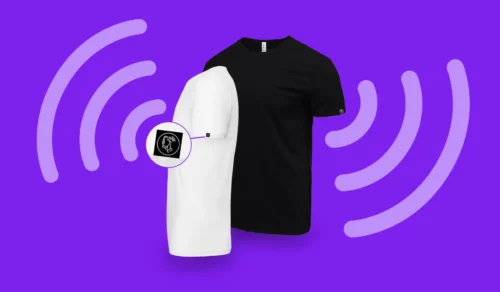
Smart clothing (also known as smart textiles or e-textiles) is a combination of traditional fabrics with embedded electronic components that can respond to external stimuli or perform specific functions. These products may integrate:
- Sensors (temperature, humidity, motion, pressure),
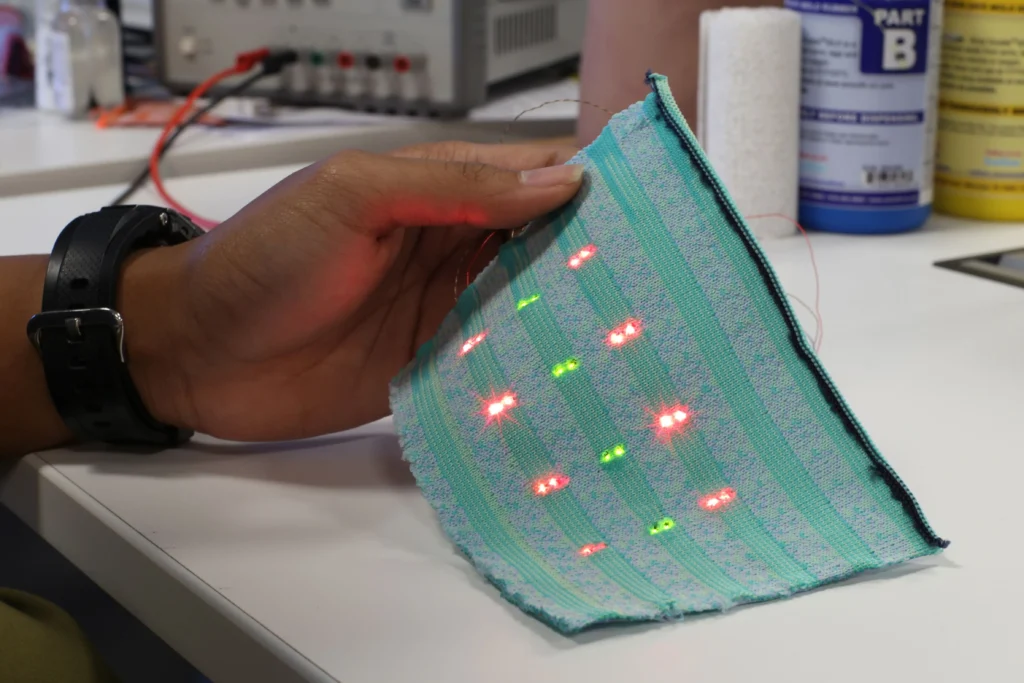
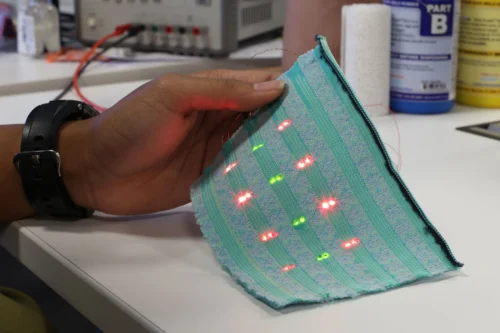
- LEDs (for visual indicators or decorative purposes),
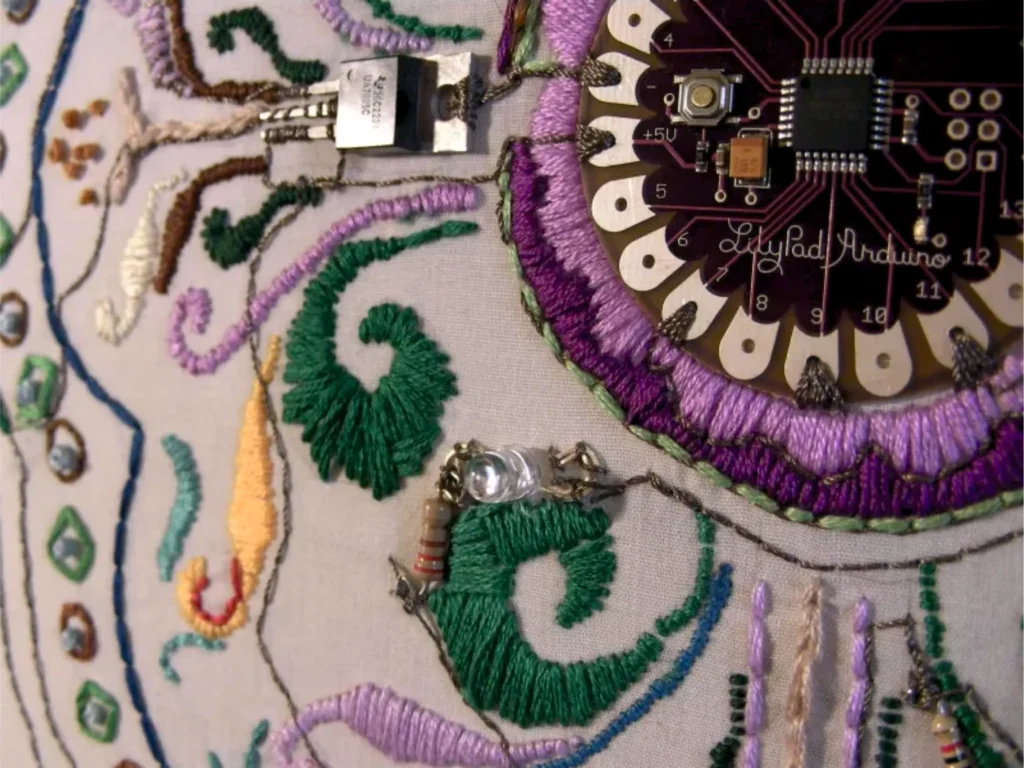
- Microcontrollers (e.g., Arduino, micro:bit),
- Bluetooth, Wi-Fi, or NFC modules for data transmission or device interaction.
As a result, the clothing can:
- Display changes in physiological parameters (e.g., body temperature, sweating, movement),
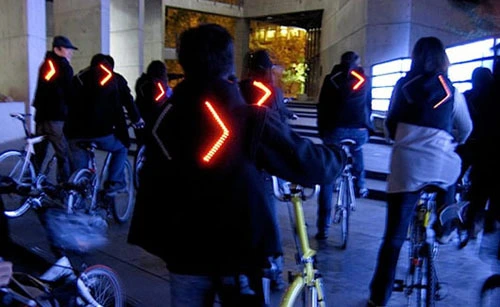
- Signal turns (e.g., in cycling vests),
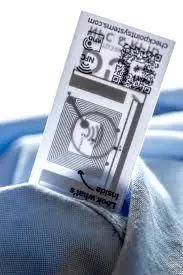
- Serve as contactless passes (NFC tags in patches),
- Act as a tool for interacting with digital environments (e.g., launching Instagram via NFC).
Unlike regular gadgets, smart clothing retains textile properties: it remains soft, flexible, and can be washable (depending on design). Conductive threads often serve as signal carriers and can be embroidered or sewn onto fabric.
This technology is actively used:
- In healthcare (body monitoring),
- In sports (load and performance tracking),
- For branding (interactive merchandise),
- In education and DIY projects.
What can we implement for you in the field of e-textiles?
| Category | Example of Textile Product | Function Description | Technologies / Components |
|---|---|---|---|
| Sensor Prototypes | Wristband with pressure or moisture sensor | Measures pressure or skin moisture, sends signal to controller | Wearic Pressure/Moisture Sensor, micro:bit |
| T-shirt with temperature sensor | Monitors body temperature, can show data on LED or app | Temperature sensor + Bluetooth / micro:bit | |
| Heated gloves | Built-in heating threads or elements powered by battery | Heating threads, battery | |
| Sports & Safety Clothing | Bike vest with LED turn signals | LED signals activated by button or gesture to indicate turns | LED, conductive thread, button or microcontroller |
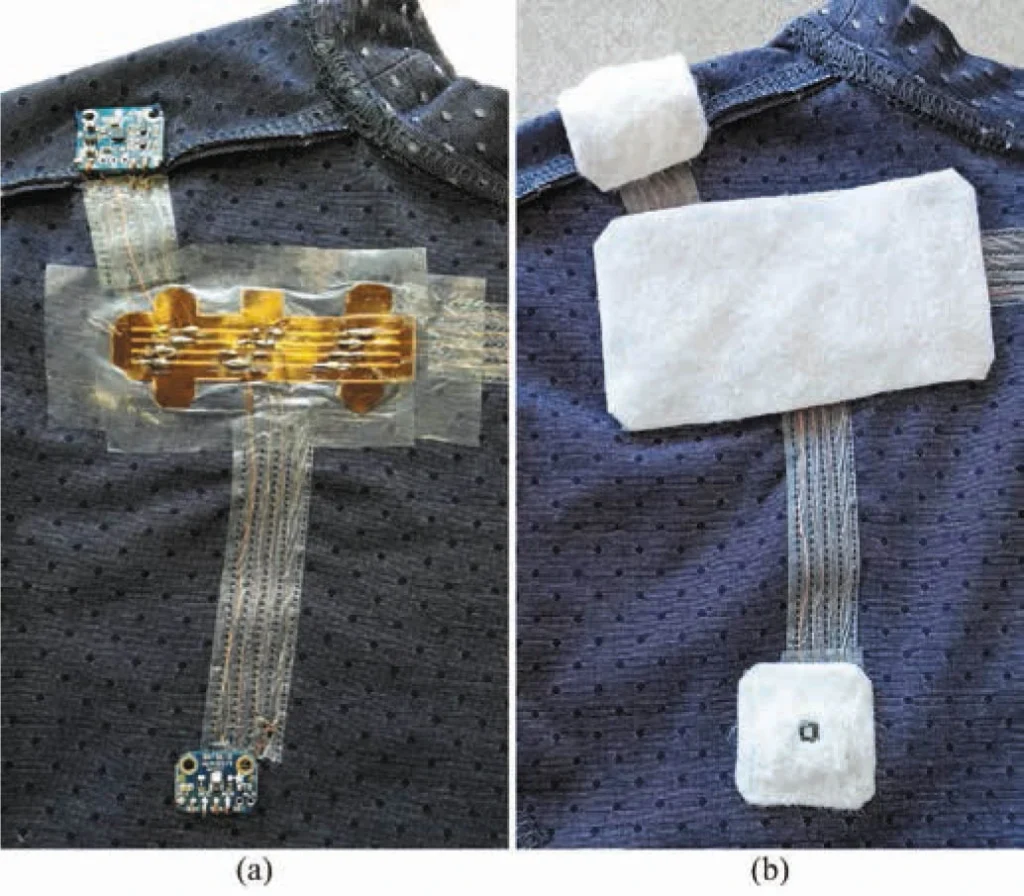
| T-shirt with step counter | Tracks movement, can transmit data to smartphone | Accelerometer + micro:bit | |
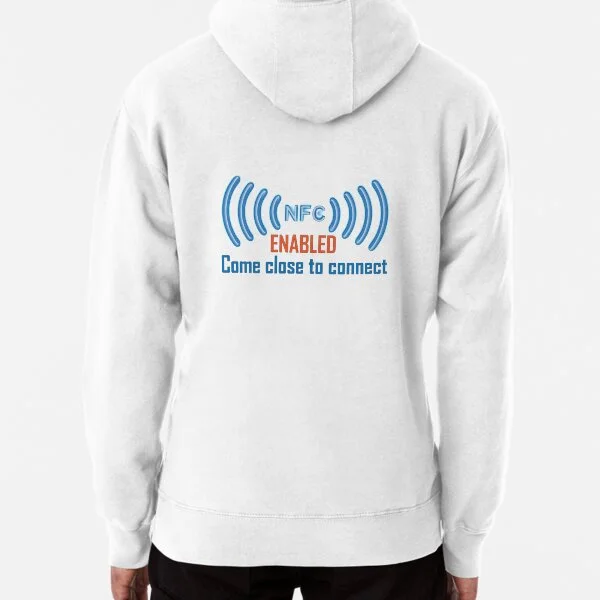
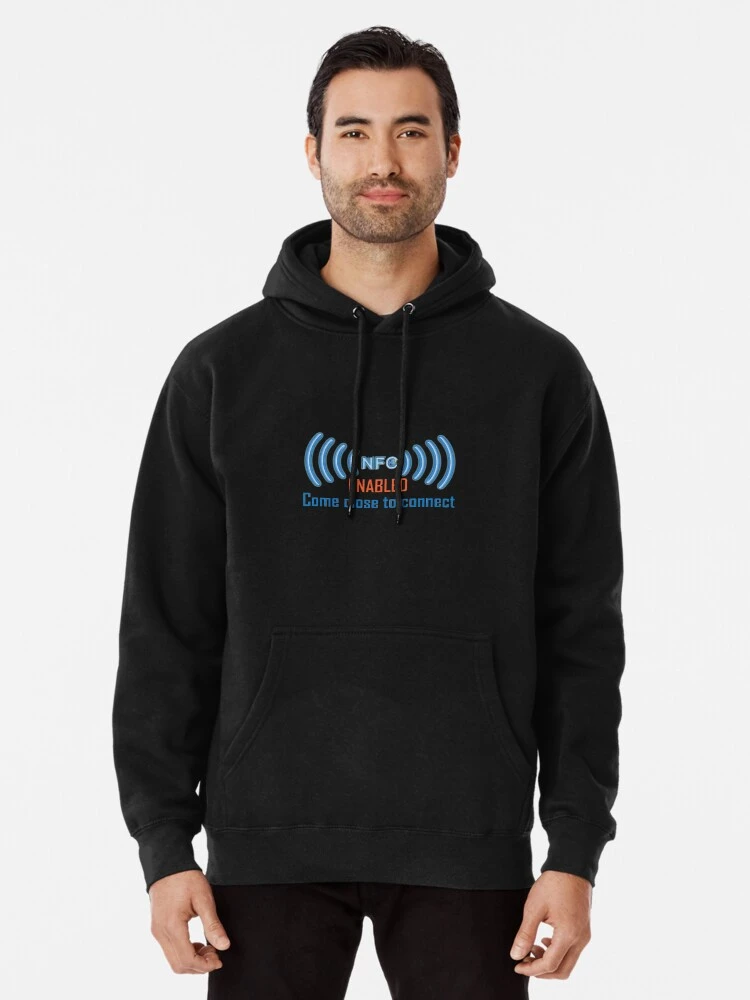
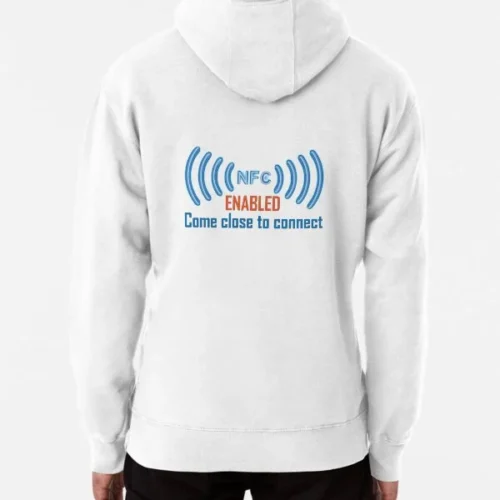
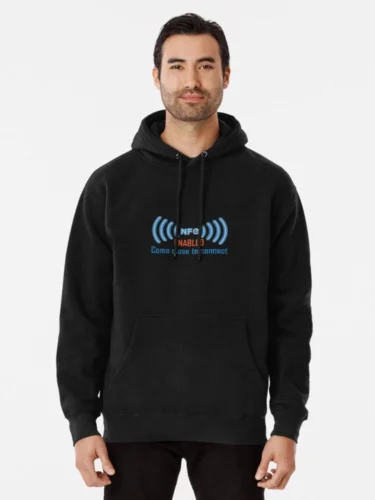
| Sweatshirt or hoodie with NFC tag | Read with phone — opens website, business card, or access | NFC NTAG213/215 | |
| Interactive Clothing | LED logos with touch sensor | Light up on touch | Soft switch, LED, LilyPad |
| Bluetooth-controlled clothing | Manage lights/signals through smartphone | micro:bit / Arduino + Bluetooth | |
| NFC/QR tag integrated into sleeve or label | Opens site, Instagram, PDF via scan | NFC NTAG213/215, QR code | |
| Interactive bags / backpacks | Marketing functionality + interaction with phone | LED, soft switch, or NFC / QR | |
| Smart Patches NFC Badges & Labels |
NFC patch for ID or business card | Supplement to garment or merch — scannable by phone | Built-in NFC + embroidery or print |
| Branded badge with integrated NFC | Unique code in each badge for event or product | NFC chip + badge | |
| Badge with NFC and embroidery | Confirms unit affiliation, verifies authenticity | NFC + embroidery, heat-resistant threads | |
| Designer emblem with programmable content | Replaces label — opens site, PDF manual, video | NFC NTAG213/215 + software |
The project is implemented under the supervision of Yurii Ihorovych Petriv — PhD in Technical Sciences, lecturer at the Department of Computer Technologies of Publishing and Printing at Lviv Polytechnic National University. For discussion and inquiries, please contact: 📩 yurii.i.petriv@lpnu.ua
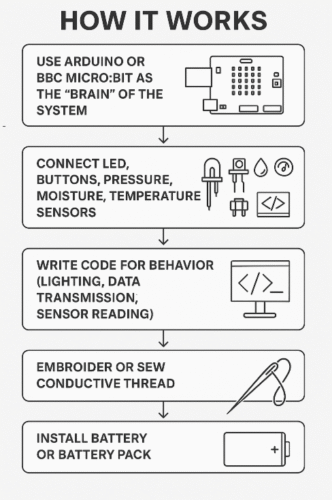
In our e-textile developments, we combine traditional textile production with modern electronics. The entire process is carried out at our facility according to the following scheme:
1.Control System
Depending on the task, we use one of the following microcontrollers:
- Arduino
- BBC micro:bit
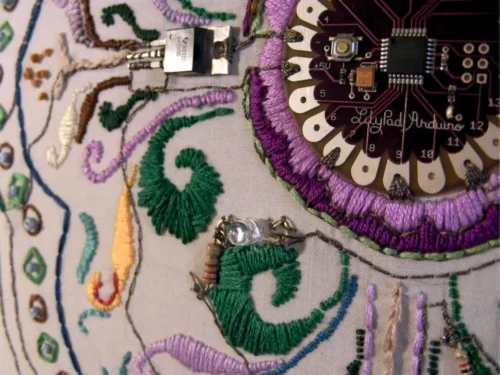
- LilyPad Arduino
These modules act as the “brain” of the system, processing signals and controlling the device’s behavior.
2. Electronics Integration
The microcontroller is connected to required components:
- LEDs
- Buttons or touch switches
- Sensors (pressure, humidity, temperature, motion/accelerometers)
- Communication modules (optional)
3. Programming Logic
Based on the technical requirements, we create software that defines the product’s behavior:
- Event indication (light, sound, motion)
- Data transmission to a smartphone or cloud
- Response to touch, temperature changes, motion, etc.
4.Embedding into Textile
Components are integrated into the product via:
- Embroidery with conductive thread
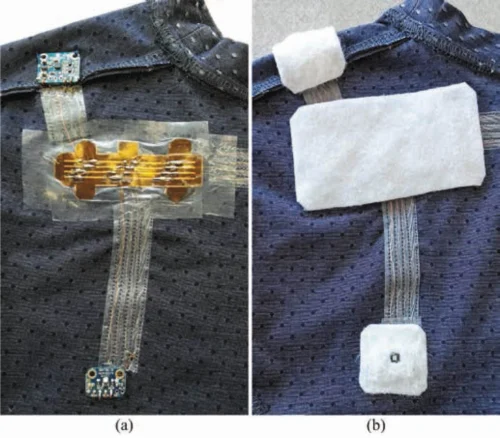
- Sewing in microchips, flexible conductors, or modules
- Laminating or attaching protective layers via printing or machine embroidery
5. Power Supply
The system can operate from:
- A rechargeable battery or disposable batteries
- Power via microUSB or external source
Optionally — wireless power transfer (in future development)
The result — is a fully functional textile product with integrated electronic features, customized to your needs:
from an educational demo unit to a working prototype or a serial product.
Cost and Implementation
- Pilot prototypes: Please provide your requirements and consult with us.
- Mass production — depends on the required functionality.
- Programming, printing, embroidery, electronics — all handled in-house at a single facility.